Shh, There's a Story Behind Door Nine: Librarians Are Curating December One Shelf at a Time
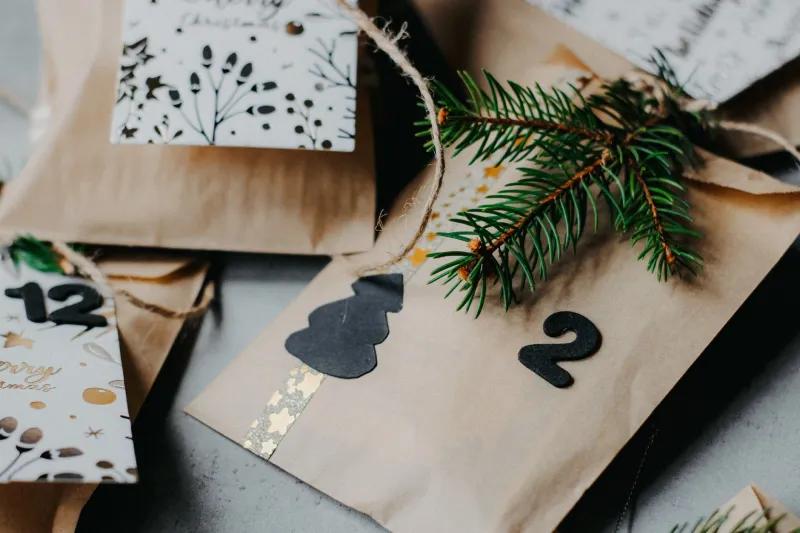
Walk into the Carnegie-era branch library in a small Ohio town this December and you might spot it taped to the circulation desk: a hand-lettered poster board with twenty-four paper flaps. Behind each one? Not chocolate. Not a coupon. A story — and instructions for finding it on the shelf three aisles over.
It's the library card advent calendar, and it's spreading through America's public libraries faster than a hold list for a buzzy new thriller. The premise is disarmingly simple: every day of Advent, the library reveals one short story, available free to anyone with a library card — or, honestly, to anyone who walks in off the street and sits down in the reading nook.
The Zero-Dollar Calendar
What makes the library version of the daily story ritual different from the app-based, subscription-driven calendars flooding your feed is right there in the price tag: nothing. Librarians lean heavily on public domain classics — Washington Irving, L.M. Montgomery, O. Henry, Harriet Beecher Stowe's Christmas sketches — alongside whatever their systems can license through digital lending platforms like Libby or Hoopla.
"We don't have a budget for original fiction," one children's librarian in western Massachusetts told us, laughing. "We have Melville, we have Willa Cather, and we have a surprisingly deep bench of ghost stories. Turns out that's enough."
It's more than enough. Public domain holiday fiction is a goldmine that most readers have never touched — the strange, the sentimental, the genuinely eerie. Librarians, whose entire professional existence is knowing what's on shelf eleven, are the perfect curators for it.
Local Authors Behind the Flaps
The classics are only half the equation. The other half is the community picks board — and this is where the calendars get personal.
Libraries in Iowa, Oregon, and upstate New York have put out calls for submissions from local writers, capping entries at a length that can be read over a lunch break. Winning stories get printed, folded, and tucked behind a door. For a lot of small-town writers, it's their first time being published anywhere — a byline behind flap number fourteen, next to a note that says "ask at the desk."
Book clubs have gotten in on it too, voting on which stories earn which dates. There's an unspoken logic to the sequencing: lighter, funnier pieces early in the month, something a little more contemplative as the days shorten, and a crowd-pleaser saved for the 24th. Librarians, it turns out, are natural programmers. They've been building displays around emotional arcs for decades.
Getting People Back Through the Doors
The quiet genius of the library advent calendar is that it's offline-friendly in a way almost nothing else is. Sure, some libraries post the daily pick to social media. But the ritual works just as well with a paper flyer, a bookmark handout, or a flannel board in the children's section. You don't need an account. You don't need a password. You need to show up.
And that's the point. December is a tough month for library foot traffic — school breaks, weather, shopping panic. A daily reason to swing by, even for ninety seconds, changes the math. Librarians report folks coming in to grab the day's story and leaving with three other books. Some bring coffee. Some bring grandkids. A few, inevitably, try to peek at door twenty-four early. (Library rule: no peeking. It's on the honor system, like everything else good in a library.)
A Ritual That Fits the Mission
There's something fitting about libraries adopting the daily story format. The whole idea behind an advent story calendar — one small narrative, unwrapped a day at a time, meant to be savored rather than binged — is basically a reading habit with guardrails. That's what libraries have been offering for free since before anyone called it content.
It also sidesteps the biggest criticism of commercial advent calendars: the cost. A nice literary advent book runs twenty or thirty dollars. A library card runs zero dollars and works at every branch in your system. In a season famous for budget strain, "free" is its own kind of holiday magic.
Start Your Own Door Count
If your local library hasn't hung one of these yet, the good news is that the format is gloriously copyable. A poster board, twenty-four envelopes, a stack of printed public domain stories, and a call for community submissions will get you most of the way there. Librarians who've done it say the first year is small — a handful of regulars — and the second year is when it becomes a thing people ask about in November.
And if you're a reader with no crafting ambition? Just ask at the desk. Odds are good someone behind that counter has been quietly curating December for weeks, waiting for you to pull the first flap.
Twenty-four stories. One card. No shipping required. Some gifts really are just sitting on the shelf, waiting for the right date.