Candlelight and Creep: The Long, Strange History of America's Holiday Ghost Story Obsession
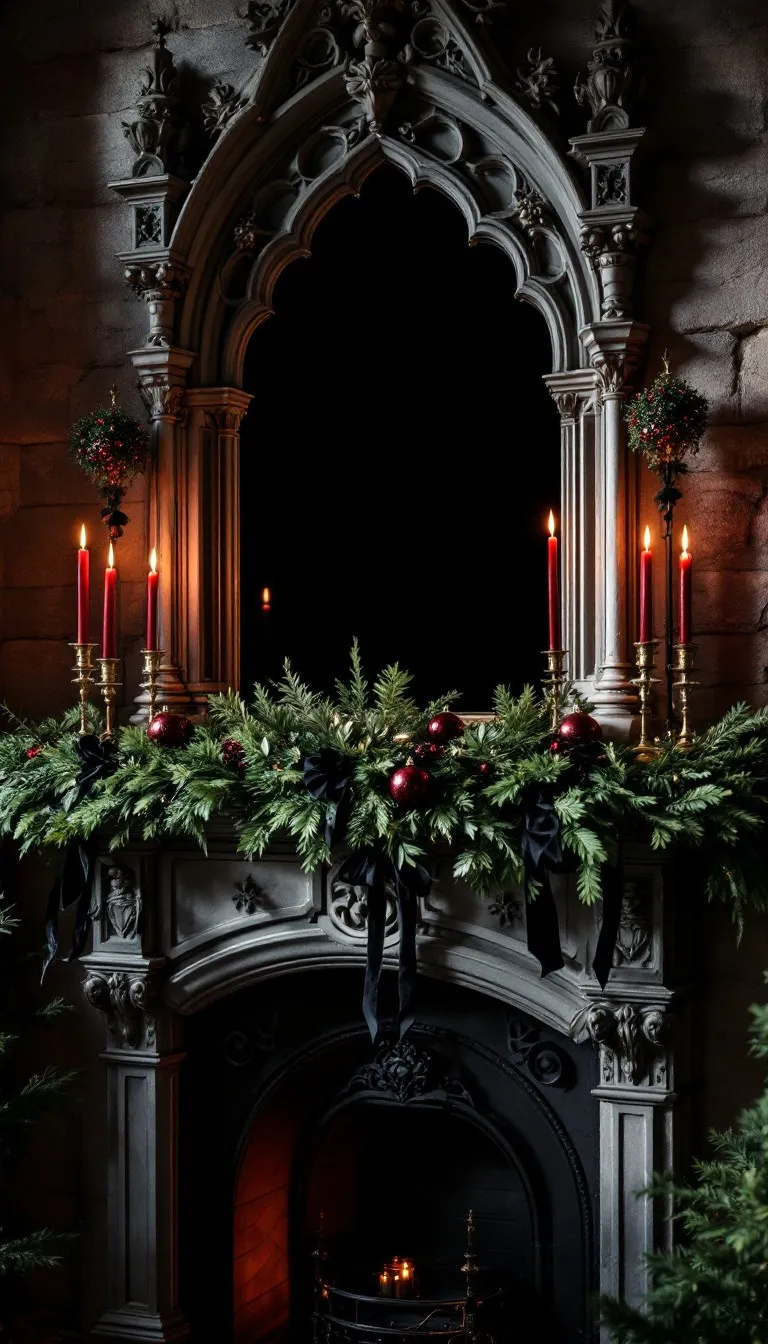
Photo: vintage candlelight Victorian Christmas ghost story fireplace atmospheric, via images.stockcake.com
Ask most Americans what they associate with the holiday season, and you'll get a pretty predictable list: eggnog, gift wrap, maybe a Mariah Carey song they claim to hate but secretly know every word to. What you probably won't hear is ghost stories. And yet, for a surprisingly long stretch of Western history, nothing said "December" quite like settling in around a fire and scaring yourself half to death.
This isn't some niche academic footnote. It's a tradition so deeply woven into the fabric of winter celebration that it shaped some of the most enduring literature in the English language — and it's quietly, deliciously making its way back into American homes through platforms built on exactly that kind of slow-burn, daily storytelling.
The Victorians Were Doing It First (And Better)
Charles Dickens didn't invent the Christmas ghost story, but he absolutely perfected it. When A Christmas Carol hit shelves in December 1843, it wasn't landing in a cultural vacuum — it was joining a well-established Victorian tradition of telling eerie, unsettling tales during the darkest weeks of the year. Dickens himself hosted elaborate Christmas parties where ghost stories were practically mandatory entertainment. His magazine, All the Year Round, published seasonal horror fiction every December like clockwork.
The logic wasn't as strange as it sounds today. Winter solstice has always carried a certain psychological weight. The nights are longest, the world feels suspended, and there's something about huddling together against the cold that naturally invites stories about what lurks just outside the firelight. The Victorians leaned into that feeling hard. Writers like M.R. James — whose ghost stories remain genuinely unsettling more than a century later — made the Christmas Eve reading a cherished ritual. James would dim the candles, gather his students at King's College Cambridge, and read his latest tale aloud. No screens. No special effects. Just words doing all the heavy lifting.
This tradition crossed the Atlantic with European immigrants and took hold in American culture in ways that often go unacknowledged. Washington Irving was writing eerie holiday folklore — think The Legend of Sleepy Hollow, set in autumn but soaked in the same spectral energy — decades before Dickens put pen to paper. American storytelling has always had a gothic undercurrent, a willingness to let the shadows in even during celebratory seasons.
So When Did We Forget?
Somewhere between the postwar consumer boom and the rise of the made-for-TV Christmas movie, the ghost story got quietly edged out of the holiday lineup. Horror became a Halloween thing. December got rebranded as relentlessly cheerful, all warmth and twinkle lights and zero ambiguity about how the story ends. The spooky stuff was neatly filed away until October 31st.
But here's the thing: that separation is historically weird. It's a relatively recent invention. And a growing number of readers — especially younger ones who came of age on prestige television, horror podcasts, and the entire unsettling ecosystem of internet storytelling — are starting to notice the gap.
There's a reason shows like The Haunting of Hill House dropped on Netflix in October and immediately became the thing everyone was still talking about at Thanksgiving. There's a reason "cozy horror" is a genre people now say with a straight face. The appetite for stories that carry a little dread alongside the warmth was never gone. It was just waiting for permission to come back.
Fear and Wonder Are Closer Than You Think
Psychologists who study narrative emotion have noted for years that fear and awe activate overlapping responses in the brain. Both involve a temporary suspension of ordinary reality. Both make you hyper-present in a way that's actually pretty rare in daily life. And both, crucially, are intensified by darkness, by winter, by the particular quality of attention that comes when the year is winding down and you're sitting still for longer than usual.
Advent is that season. It's a period explicitly built around waiting, anticipation, and the gradual revelation of something meaningful. Those are the exact conditions under which a well-crafted eerie story hits hardest. The ghost story tradition wasn't a weird Victorian quirk — it was a genuinely sophisticated understanding of how storytelling and season can amplify each other.
When M.R. James dimmed those candles, he wasn't just being theatrical. He was using the environment to do half the narrative work for him. The cold outside, the warm room, the gathered listeners — all of it primed the audience for the specific kind of imaginative surrender a good ghost story requires.
TikTok Brought the Campfire Back
Fast forward to now, and something interesting is happening on social media. "Creepypasta" has been a corner of internet culture for over a decade, but the last few years have seen a genuine explosion of short-form horror storytelling on TikTok, YouTube, and podcasting platforms. Creators reading eerie stories aloud to hundreds of thousands of viewers. Comment sections full of people asking for more, asking for sequels, asking to be scared again.
The format is strikingly similar to what M.R. James was doing in that candlelit Cambridge room. One voice. One story. An audience choosing to be present for the experience. The technology changed completely; the human impulse didn't move an inch.
What's missing from most of those digital spaces, though, is the calendar element — the sense that a story is arriving at a particular moment for a particular reason. That's where a platform built around daily Advent storytelling has a genuinely unique opportunity. Releasing stories one at a time, day by day through December, creates the kind of structured anticipation that transforms individual tales into something that feels like a shared seasonal experience.
Reclaiming the Dark Side of December
None of this is an argument against the warm and cozy side of the holidays. The two have always coexisted — Dickens understood that better than anyone. A Christmas Carol is simultaneously a ghost story, a horror story, and one of the most sentimental pieces of holiday fiction ever written. The ghosts make the warmth matter more. The dread makes the redemption land harder.
The best Advent storytelling works the same way. A story that unsettles you on December 3rd makes the one that moves you on December 20th resonate differently. Variety is the whole point. And the ghost story — weird, atmospheric, rooted in a tradition older than the modern holiday season itself — deserves its seat back at the table.
Or its spot by the fire, candles dimmed, the rest of the house very, very quiet.
The stories are waiting. They always have been.