Gather 'Round: How America's Oldest Winter Storytelling Traditions Led Us Here
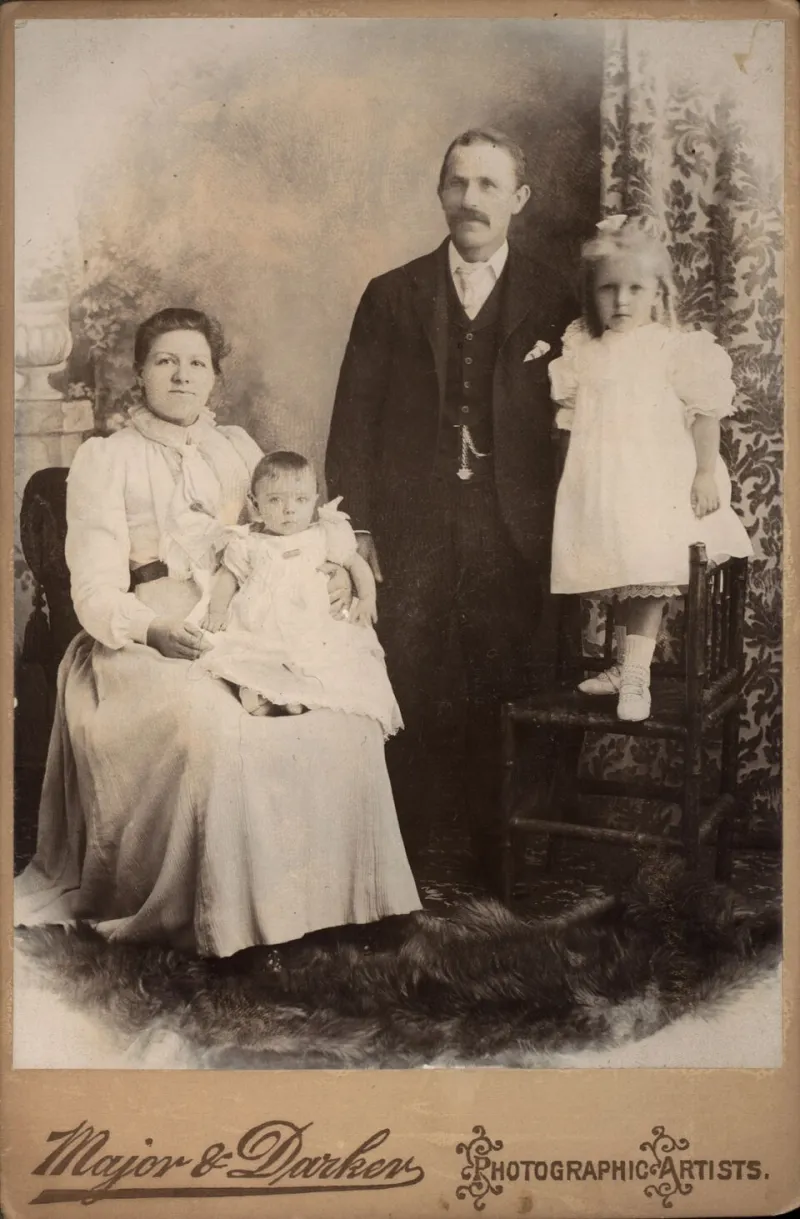
Photo: freeparking, CC BY 2.0, via Wikimedia Commons
When Winter Was Made for Stories
Picture an American farmhouse in the 1870s. The harvest is long done. The fields are frozen. Outside, the wind is doing what Midwestern wind does in December, which is to say everything in its power to remind you how small you are. Inside, though, there's a fire. There's lamplight. And there's probably someone reading aloud.
For most of American history, winter wasn't a season you fought against with a packed social calendar. It was a season you settled into. The shorter days and longer nights created a natural invitation to gather, and gathering almost always meant stories.
That deep cultural memory — of fiction as a winter companion, of narrative as something you share with the people closest to you — is the invisible thread connecting a 19th-century parlor reading to a short story appearing in your inbox on a December morning.
The Parlor as the Original Story Platform
Before radio, before television, before the internet made it possible to be entertained by strangers in real time, the parlor reading was America's primary form of at-home literary culture. Families and friends gathered to hear novels read aloud in installments, to share poems, to pass around copies of magazines like Harper's or The Atlantic Monthly, which were then as much a part of middle-class domestic life as anything in a living room today.
The holiday season supercharged this tradition. Washington Irving's The Sketchbook of Geoffrey Crayon — published in installments between 1819 and 1820 — gave Americans some of their earliest and most influential images of Christmas as a time of warm domestic gathering and storytelling. Charles Dickens, whose influence on American holiday culture is almost impossible to overstate, made the winter ghost story and the seasonal moral fable into essential December reading on both sides of the Atlantic.
By the latter half of the 19th century, Christmas annuals and gift books — collections of short fiction and poetry designed specifically for holiday gifting and reading — were a booming industry. Americans understood, almost instinctively, that December was a time for stories.
Radio Winters and the Serialized Imagination
The 20th century didn't kill the winter storytelling tradition. It just moved it into new rooms.
Radio brought serialized fiction into American living rooms in a way that made the old parlor reading look intimate by comparison. Millions of families gathered around their sets on winter evenings to follow ongoing dramas and anthology programs. The experience was still communal, still tied to the rhythm of regular installments, still dependent on that same pleasurable anticipation — what happens next? — that had kept Victorian readers buying the next issue of a serialized novel.
Television inherited all of this. The holiday special became a fixture of American December culture, a date on the calendar as reliable as any religious observance. A Charlie Brown Christmas. How the Grinch Stole Who-ville. These weren't just programs — they were annual rituals, watched in the same living rooms, often on the same nights, year after year. The medium had changed completely. The underlying human need — for shared narrative, for stories that mark the season — hadn't moved an inch.
What the Digital Era Got Right (and Wrong)
The internet, in its early optimism, promised to make storytelling more democratic and more abundant than ever. And in many ways, it delivered. More voices, more genres, more access. A short story published on a website in Iowa could find a reader in Florida before breakfast.
What it didn't immediately figure out was rhythm. The internet's default mode is the firehose: constant, undifferentiated, relentless. Everything arrives at once and competes for the same fractured attention. In that environment, the kind of slow, seasonal literary culture that made December special for generations became genuinely hard to sustain.
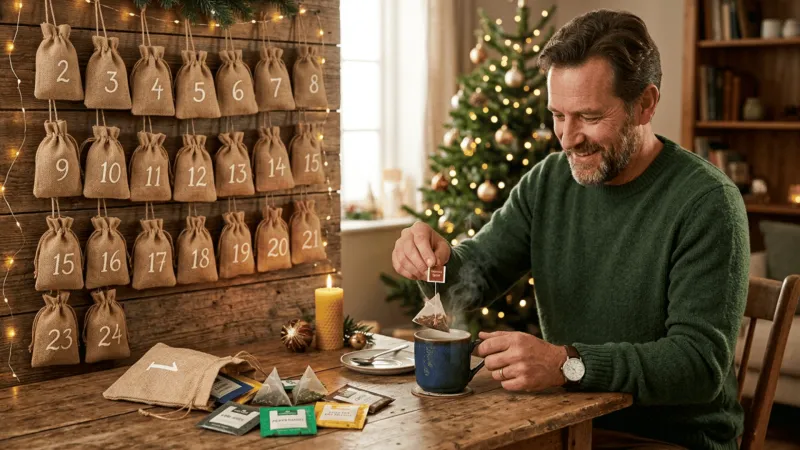
The Advent calendar format — applied to digital fiction — turns out to be a surprisingly elegant solution to this problem. It takes the internet's abundance and imposes the one thing the old traditions always had: a calendar. A sequence. A sense that this story belongs to today, and tomorrow will bring something new.
It's the serialized novel's logic applied to short fiction. It's the radio drama's appointment-listening translated into reading. It's the Christmas annual, delivered one piece at a time.
Why December Still Wants Stories
Something about the shortening days continues to create a cultural appetite for narrative that the rest of the year doesn't quite replicate. Folklorists and cultural historians have noted that virtually every human society with a winter season has developed some form of seasonal storytelling tradition — from the Norse practice of telling long tales during the dark months to the ghost stories that were, for centuries, considered entirely appropriate Christmas fare in England and America alike.
There's an argument to be made that this is simply practical: when you're indoors more, you need more ways to pass the time. But that explanation feels a little thin. Winter storytelling has always had a quality of meaning-making to it, a sense that the dark season is a time to reflect, to gather your people close, and to remember — through narrative — what matters.
Advent, specifically, carries this quality. Whether observed religiously or simply as a cultural marker, the period before Christmas has long been understood as a time of waiting and preparation. Stories are well-suited to waiting. They give the anticipation somewhere to live.
The New Hearth
The farmhouse parlor is gone. The family radio is in a museum. But the impulse that filled both of those spaces — the December instinct to sit down with a story — is as alive as it's ever been.
A daily short story calendar isn't a nostalgic recreation of something lost. It's the latest address of something that has been moving through American culture for two hundred years, finding whatever form the moment offers. The hearth became the parlor lamp. The parlor lamp became the radio dial. The radio dial became the television screen. The screen became the phone in your pocket.
The fire, in other words, just keeps moving.
And every December, people gather around it.